Introduction — Creating a Comfortable Workspace Without Sacrificing Living Space
Working from home sounds convenient until your living space slowly turns into an office. Many remote workers start by placing a laptop on a dining table or squeezing a desk into any available corner, only to realize weeks later that clutter, poor seating, and limited space make daily work uncomfortable.
Small apartments and shared living spaces make it difficult to dedicate a full room to work, but the real problem isn’t size — it’s layout and furniture choices.
With smart planning and compact furniture, even small homes can support comfortable remote work without making the space feel crowded.
In this guide, you’ll learn practical space-saving home office setup ideas, real-life apartment scenarios, and actionable advice to build a productive workspace without sacrificing comfort or living space.
Real-Life Situations Where Space Saving Matters
Many remote workers face situations like:
- Working from studio apartments
- Sharing living space with partners or roommates
- Using living rooms as temporary offices
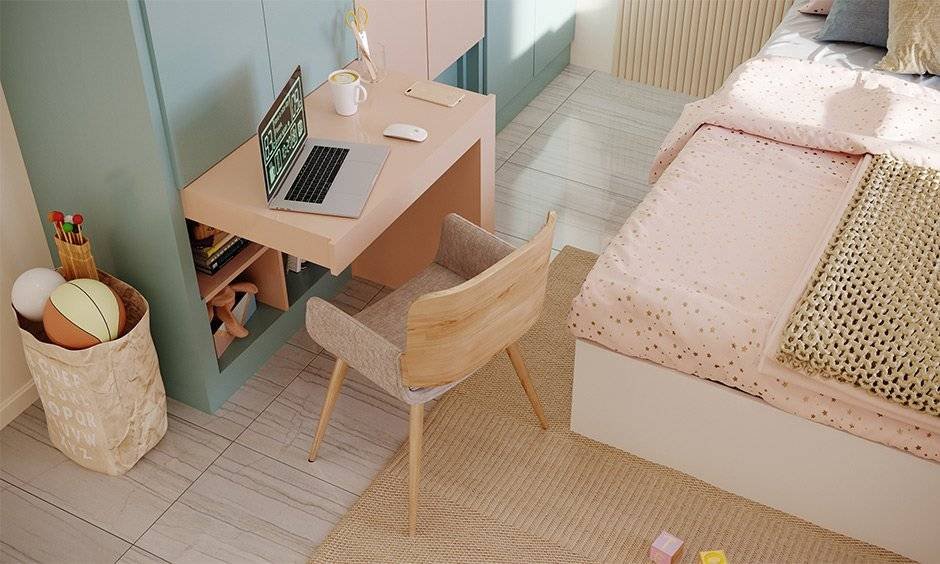
- Working from bedroom corners
- Turning dining tables into desks
Common daily frustrations include:
- Desk and chair blocking walking paths
- Workspace clutter spreading into living areas
- Feeling mentally stuck at work all day
- Difficulty storing equipment after work
- Rooms feeling smaller once work equipment appears
Many workers say their apartment feels permanently messy once remote work begins.
Space-saving setups help maintain both comfort and living quality.
Setup Idea 1: Use Corners to Protect Walking Space
Corners are often unused but ideal for compact work areas.
Placing a desk in a corner protects the center of the room and keeps movement areas open.
Why corner setups work well
- Keeps walking space clear
- Creates a defined work zone
- Allows vertical storage above desk
Real scenario:
Many apartment workers place desks near windows or unused corners and install shelves above to maximize space efficiency.
A corner setup often feels less intrusive than placing a desk in the middle of the room.
Setup Idea 2: Use Foldable or Wall-Mounted Desks
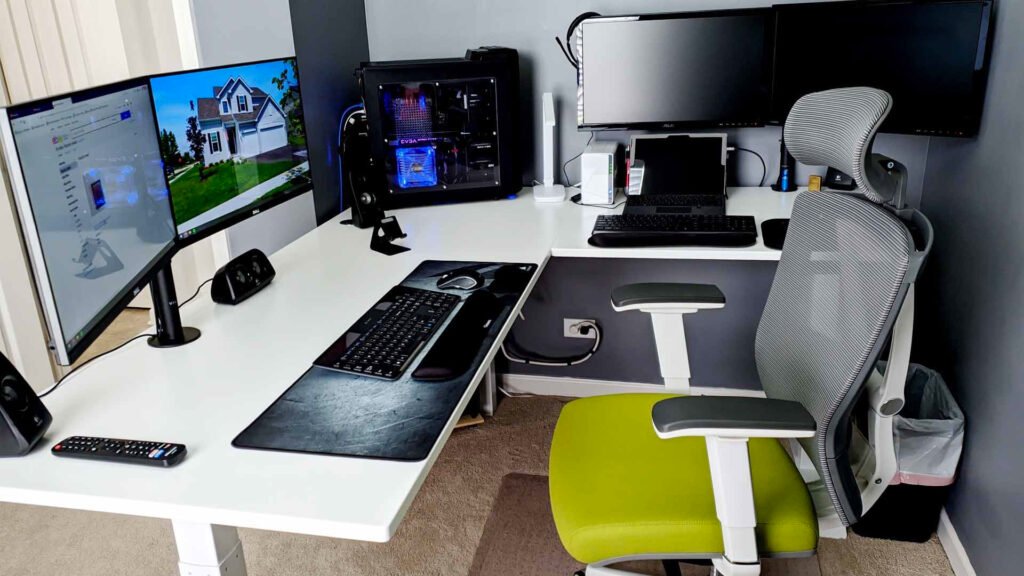
In very small homes, workspace often needs to disappear after work hours.
Foldable desks allow rooms to switch between work and living modes quickly.
Best situations for foldable desks
- Studio apartments
- Living rooms serving multiple purposes
- Small bedrooms doubling as offices
Many users report feeling less stressed once they can fold away work equipment after finishing the day.
A disappearing workspace helps maintain mental work-life separation.
Setup Idea 3: Choose Compact Ergonomic Chairs
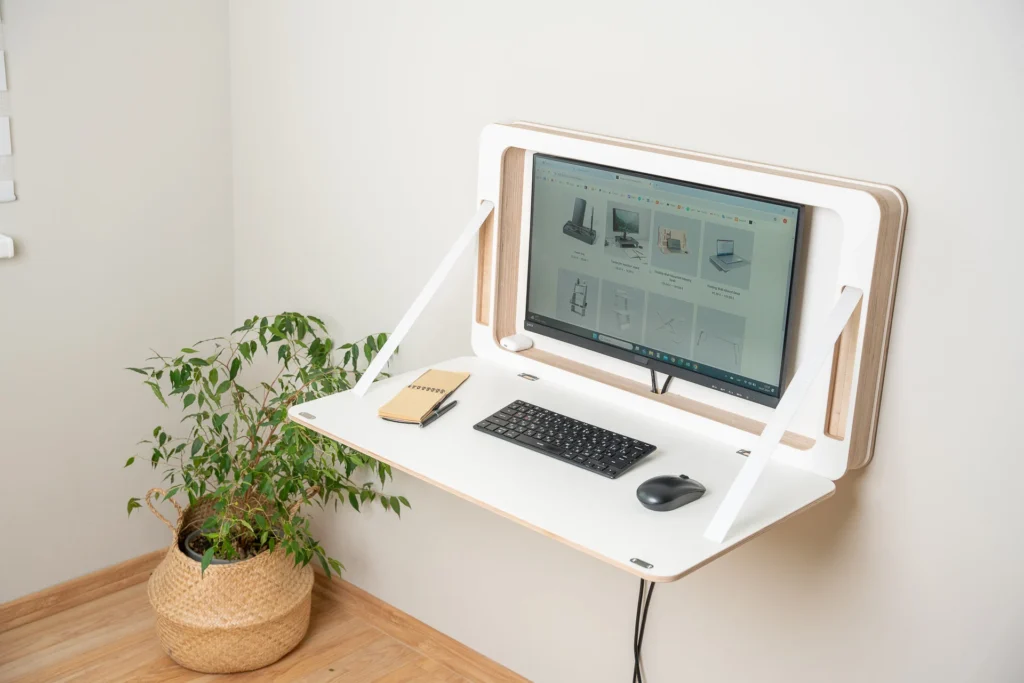
Large office chairs often dominate small spaces and block movement.
Instead, look for chairs that combine comfort with compact design.
Smart chair features for small spaces
- Flip-up armrests to save width
- Slim ergonomic profiles
- Chairs that slide fully under desks
- Lightweight designs for easy movement
Comfort still matters even in small homes, so choosing a compact ergonomic chair prevents long-term back pain.
🔗【 Best Office Chairs for Small Home Offices & Apartments】
Setup Idea 4: Use Vertical Storage Instead of Floor Storage
When floor space runs out, walls become the best storage solution.
Practical vertical storage ideas
- Floating shelves above desks
- Pegboards for accessories
- Wall cabinets or racks
- Monitor shelves with built-in storage
Vertical organization keeps desks clean and rooms feeling open.
Workers often notice increased focus when desks stay clutter-free.
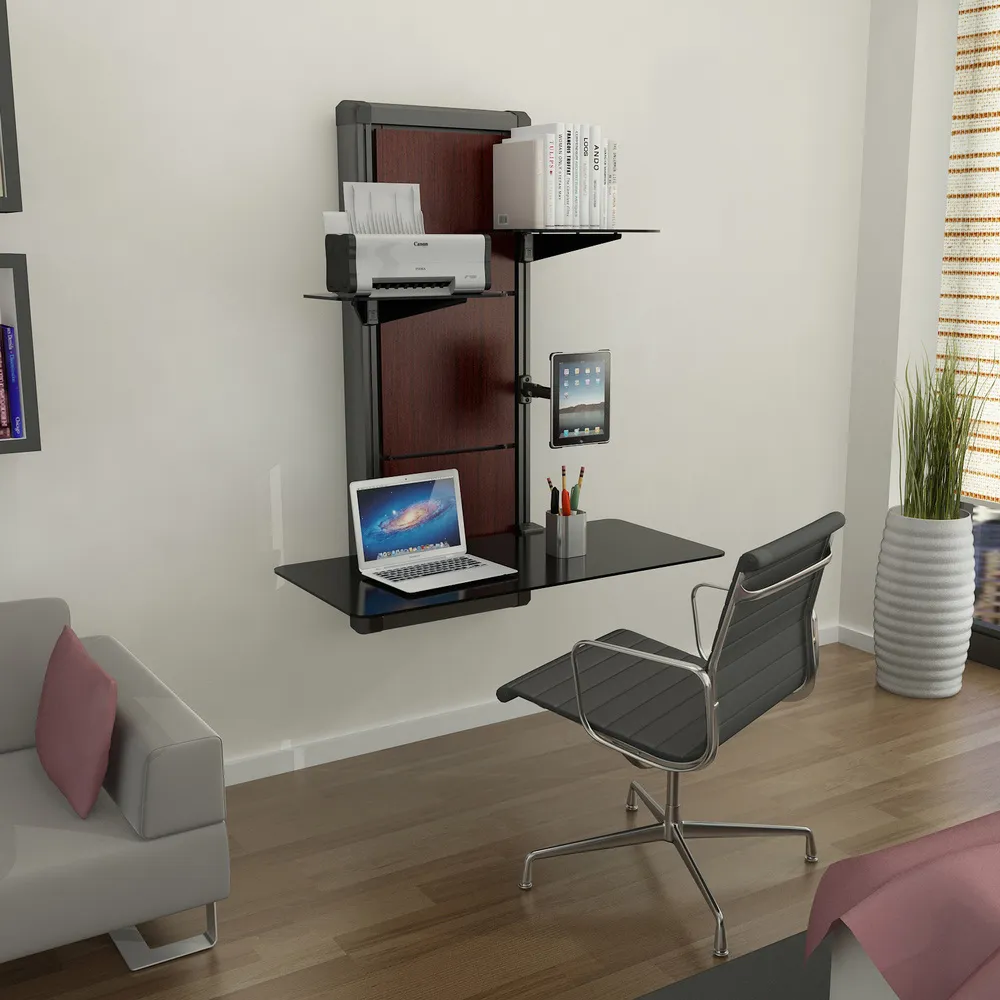
Setup Idea 5: Multi-Functional Furniture Makes Small Spaces Work
Furniture that serves multiple purposes is ideal for compact homes.
Examples include:
- Desks doubling as vanity or study tables
- Rolling carts that move between rooms
- Storage benches holding work supplies
- Console tables used as temporary desks
Flexible furniture helps homes transition smoothly between work and personal life.
Comfort Improvements That Don’t Require More Space
Even without changing furniture, small improvements make workdays easier.
✔ Improve lighting quality
Better lighting reduces fatigue and eye strain.
✔ Keep desks minimal
Less clutter improves focus and mental clarity.
✔ Organize cables
Cable clutter makes spaces feel chaotic.
✔ Choose breathable seating
Small rooms heat up quickly, so mesh chairs improve airflow.
🔗【Best Home Office Chairs for Long Hours】
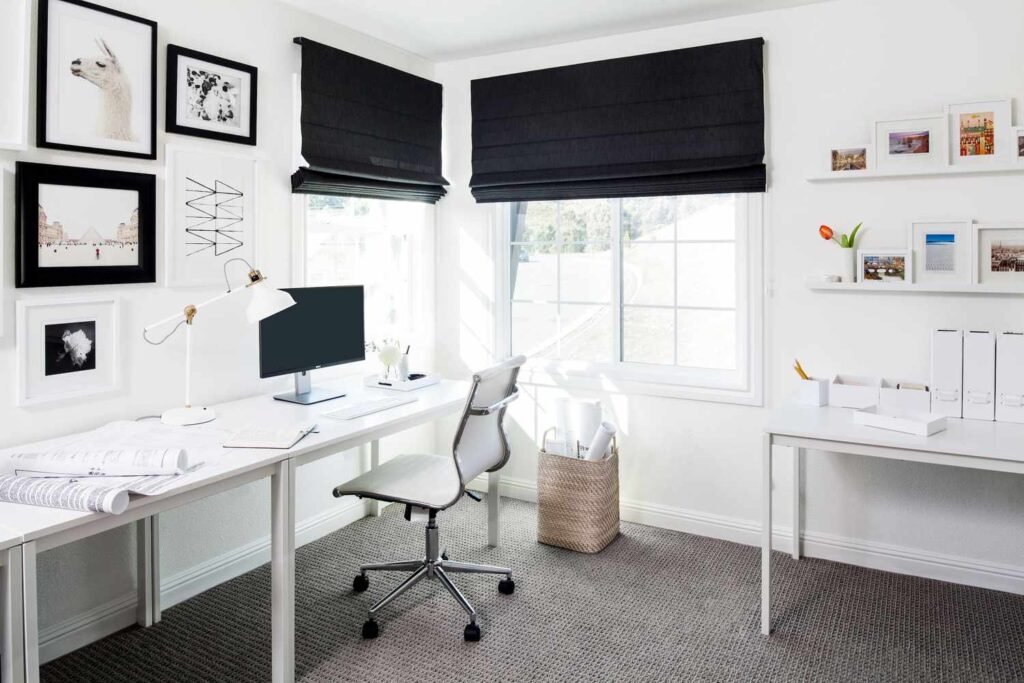
Buying Advice: What to Upgrade First
If upgrading step by step, prioritize items that improve daily comfort.
1) Ergonomic Chair
You sit every day, so comfort affects productivity and health.
2) Proper Desk Size
Compact desks maintain open movement space.
3) Smart Storage
Use wall storage instead of bulky cabinets.
4) Good Lighting
Proper lighting improves focus and reduces fatigue.
🔗【Best Office Chairs for Small Home Offices】
Mistakes to Avoid in Small Home Offices
Common mistakes include:
- Oversized desks crowding rooms
- Using dining chairs for long-term work
- Poor lighting setups
- Too many desk decorations
- Leaving work equipment out all day
Fixing even one or two of these often improves comfort quickly.
Final Thoughts
A productive workspace doesn’t require a large home. With smart layouts, compact furniture, and flexible storage solutions, even small apartments can support comfortable remote work.
Start with small changes, keep spaces flexible, and upgrade gradually as needs evolve.
A well-planned space-saving office helps you stay productive without sacrificing your living environment.